The “OpenStreetMap4Transport” (o4t) day on November 23, 2019, at the State of the Map Africa 2019 conference in Grand-Bassam (Ivory Coast) will mark an important milestone for stakeholders in the digital commons and mobility sectors in French-speaking countries of the “South” who, following the example of initiatives undertaken by the French Development Agency (AFD) as part of the “DigitalTransport4Africa ” (dt4a) in Accra (Ghana) and Abidjan (Ivory Coast) since 2017, to mobilize the approaches, resources, tools, and dynamics of the OpenStreetMap project within communities of practice to foster greater ownership, impact, and sustainability in their efforts.




Geographic information (data and paper maps, web, or mobile) is fundamental for all development stakeholders; equally important to its relevance, impact, adoption, and sustainability are the terms of access (restricted and/or open – as open data), the tools used (proprietary and/or open-source), and the methods of production (isolated approaches and/or collaborative, participatory, community-based approaches, etc.).
OpenStreetMap (OSM), also known as the “Wikipedia of digital mapping”, is an international collaborative online project dedicated to creating a freely licensed map of the entire world, based entirely on the volunteer work of contributors from various countries. National public entities, civil society, academia, and the private sector in Northern countries are increasingly using these tools to share data and costs, ensure interoperability, and promote freedom of technological choice. Thanks to this open and technically interoperable digital platform, it is now possible to create innovative content and services based on geographic data, regardless of the sector or the medium used for access (paper, computer, mobile devices).
In the Global South, OSM serves as a central geomatics resource and is one of the Common Operational Datasets (COD) managed by the Center for Humanitarian Data of the United Nations Office for the Coordination of Humanitarian Affairs (OCHA) organizes the sharing of data on the HDX platform for all actors involved in humanitarian action and development aid. To date, however, active participation by countries in the Global South and Africa in this global collaborative project remains limited and underrepresented.
This situation calls for the creation, in countries of the Global South, of support mechanisms to foster the growth of OSM—mechanisms that are unprecedented in the Global North, where the project was conceived and developed autonomously based on the principle of voluntary contributions of free time (“hobby”) . To be effective and relevant, these mechanisms must be both adapted to the context of countries in the Global South and faithful to the philosophy of the OSM project, its founding documents, practices, and governance – presenting all actors in the humanitarian and development sectors with a delicate challenge to resolve.
The scope of public transportation and mobility practices in the North and South, the experiences of stakeholders in the DigitalTransport4Africa (dt4a) initiative, led by AFD as well as those in the OSM ecosystem in France and Francophone Africa, clearly illustrate the terms of this equation and help identify best practices for the responsible use of OSM in the field of public transportation and mobility.
While OSM is a central resource for managing geographic and thematic information in the field of public transportation in Northern countries, this is not the case in Francophone Africa, where the OpenStreetMap4Transport (o4t) movement remains largely unknown to the general public, practitioners in the field, and members of the OSM project in the North. The reality of o4t there consists of a few funded economic projects alongside isolated volunteer-led community initiatives. Recognizing the potential of this field of o4t practices, the AFD, through the dt4a initiative, has been working since 2017 to support the OSM project as it applies to transportation in Africa (the Accra and Abidjan projects, and the 2017 and 2018 dt4a workshops).
In 2019, the Agency decided to serve as a platinum sponsor to support the holding of SotM Africa – the OpenStreetMap project’s biannual African conference – on November 22–24 in Grand-Bassam (Ivory Coast), thereby helping to enable the participation of some 195 people (one-third of whom were women) from 37 countries. To raise awareness of and strengthen the emerging o4t field of practice in Africa, AFD also commissioned the French association Les Libres Géographes (LLG) to facilitate a workshop at SotM for this o4t community of practice, bringing together key stakeholders from France (AFD, Fabrique des mobilités, Jungle Bus), Côte d’Ivoire (Ministry of Transport and members of the Ivorian OSM project), as well as other French-speaking African countries (Mali, Burkina Faso, Madagascar, Senegal, Guinea) and English-speaking African countries (Ghana).
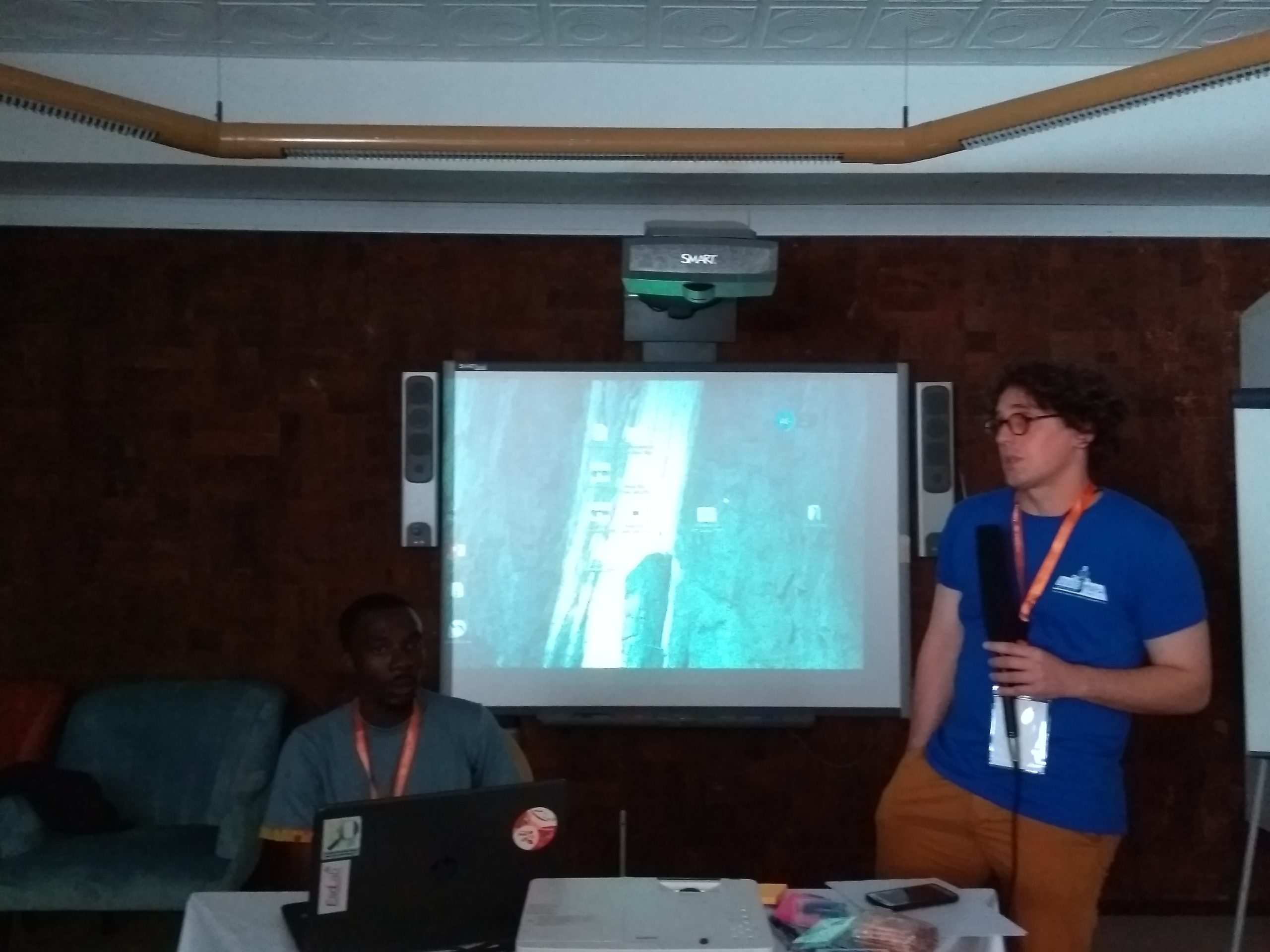
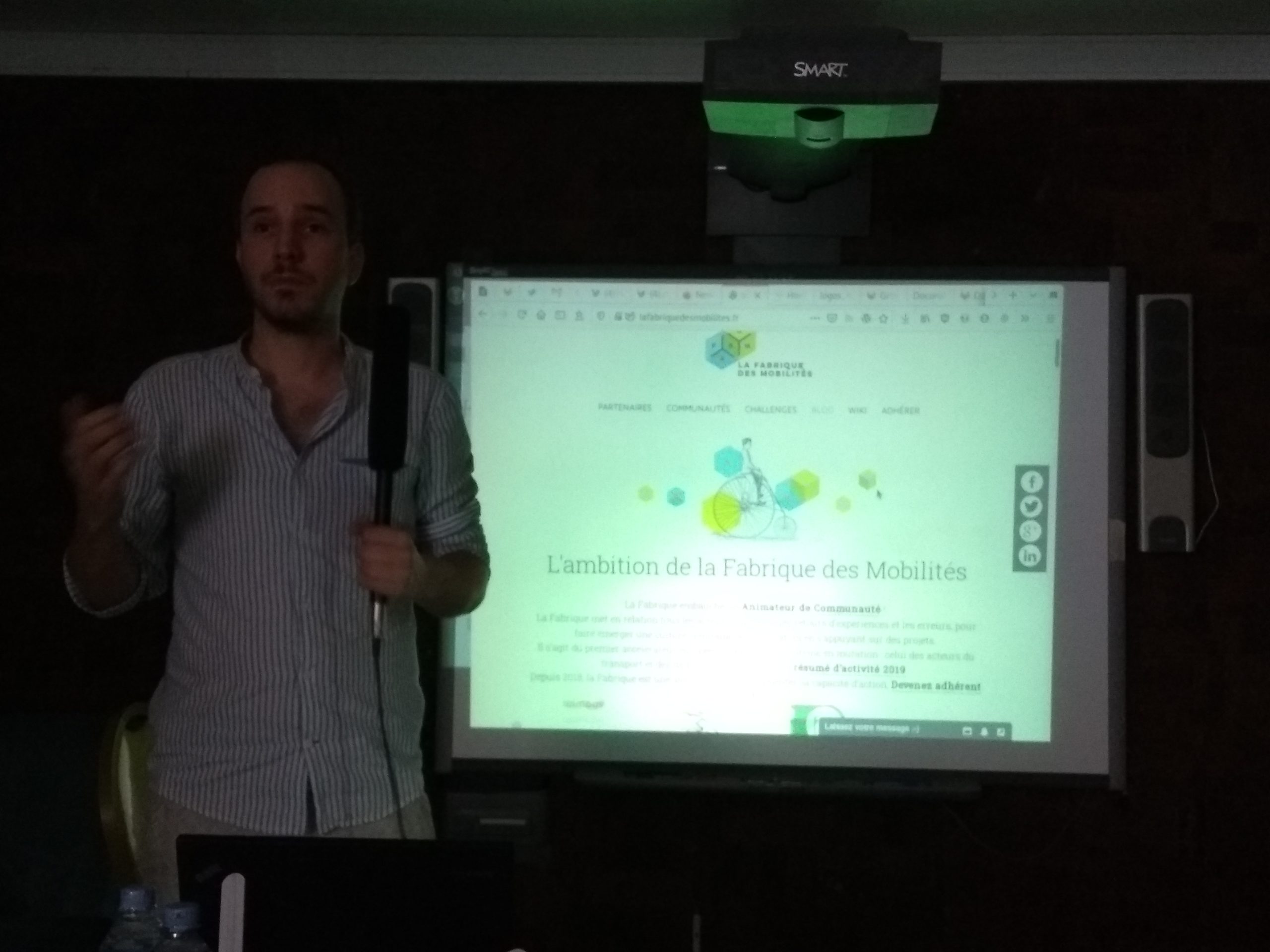
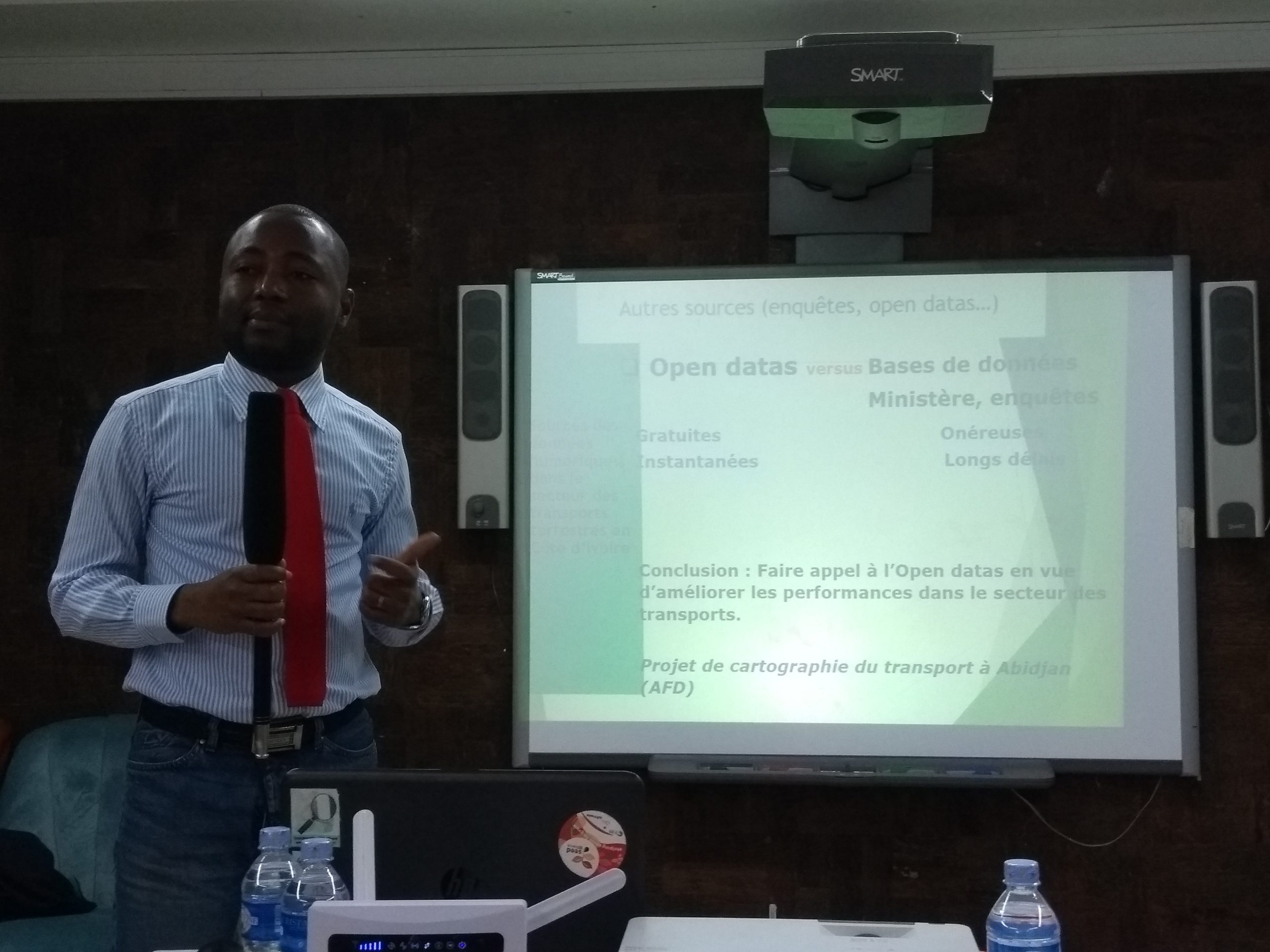
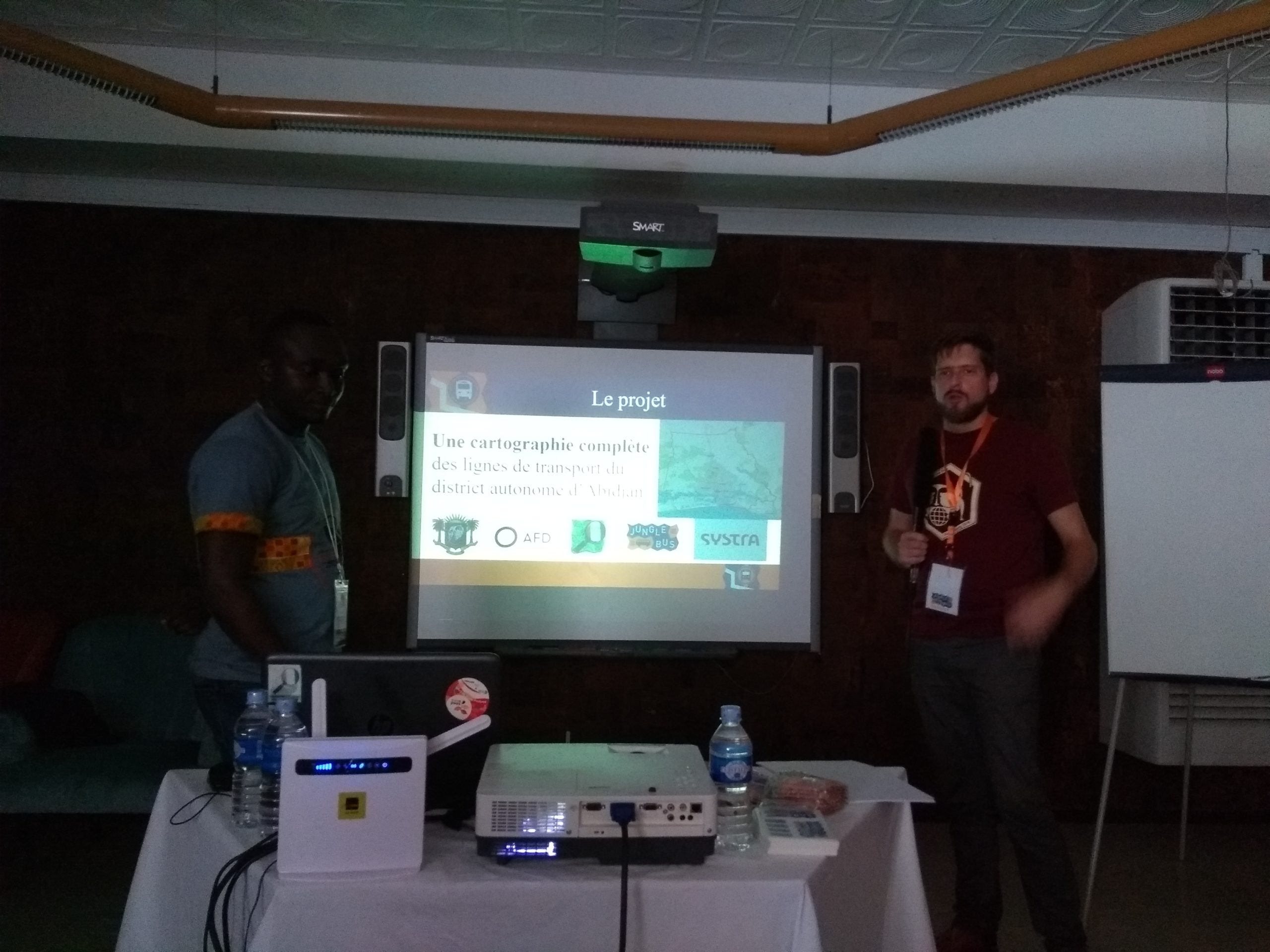
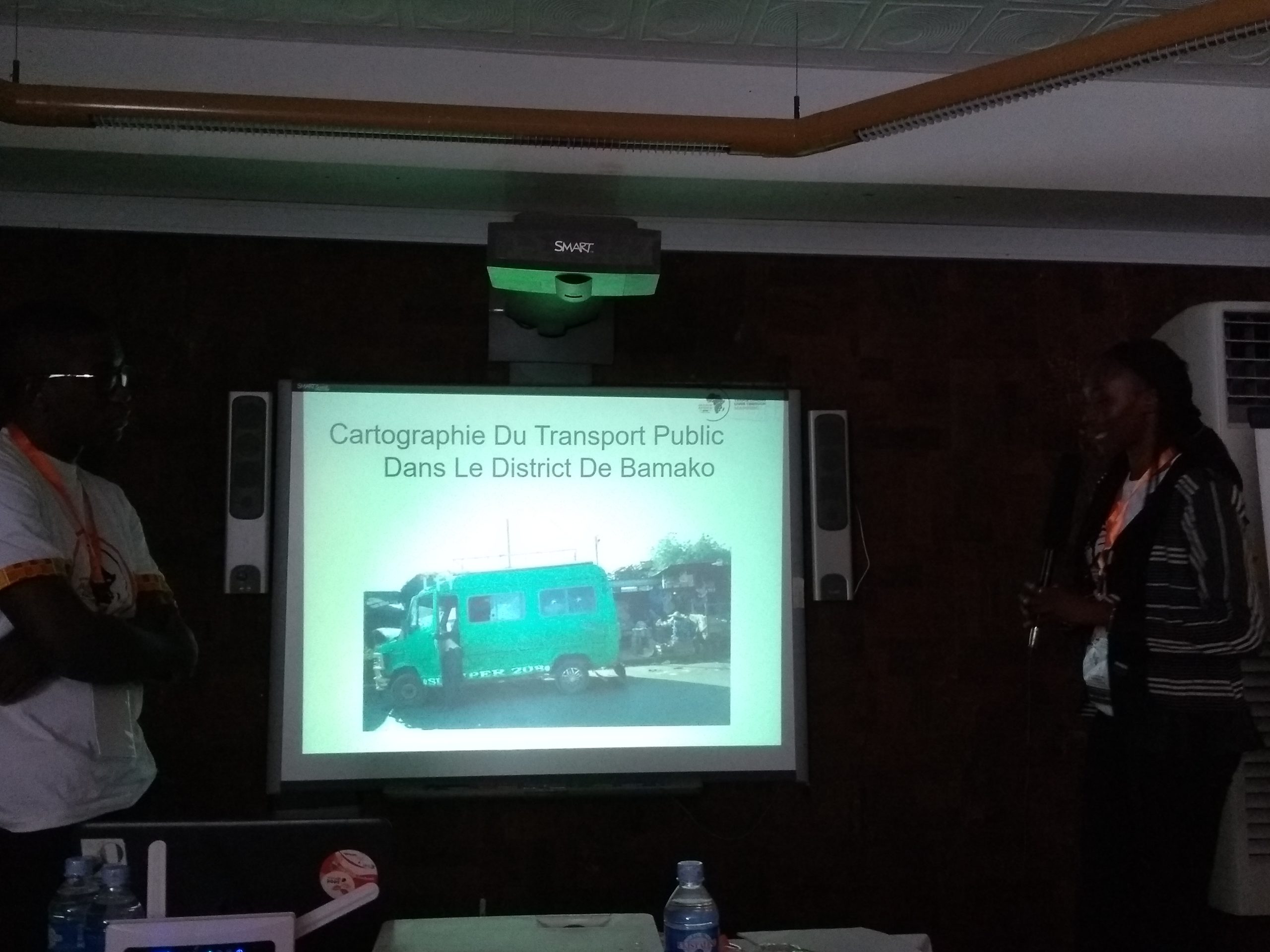
Thus, on November 23, 2019, about 40 participants from SotM Africa 2019 took part in this “OpenStreetMap4Transport” community workday alongside stakeholders from the public transportation and mobility sectors, as well as members of the OSM project from France and Africa. Together, they followed a program designed to share the practical knowledge (approach, experiences, governance, and tools) needed to understand how the dt4a community of practice operates, particularly when it comes to implementing “OpenStreetMap4Transport” projects in an economic or community context.
This program was structured around the following sessions:
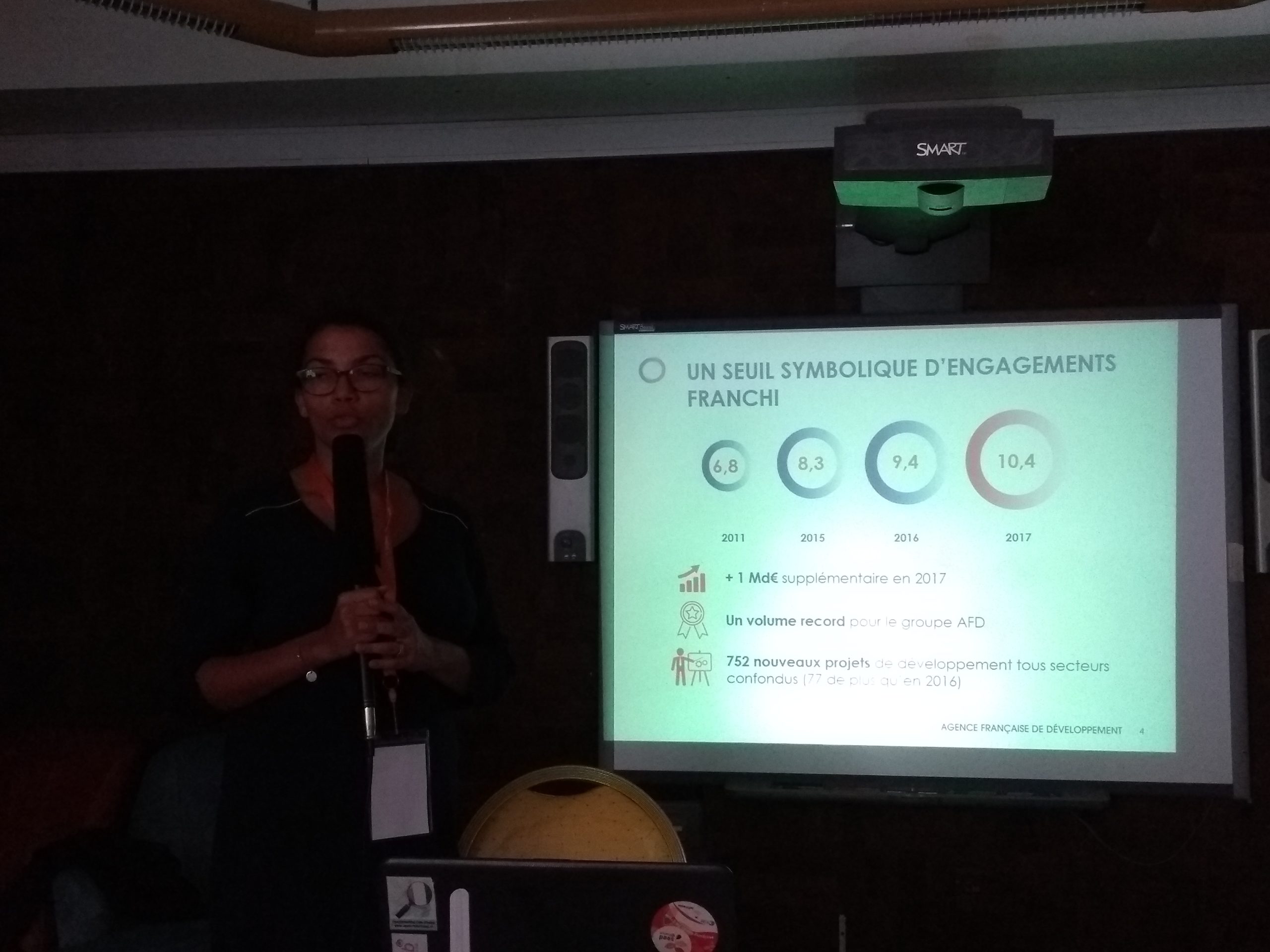
- A presentation of AFD’s approach and resources regarding digital commons in the field of transportation and mobility through the dt4A initiative and its resource center.
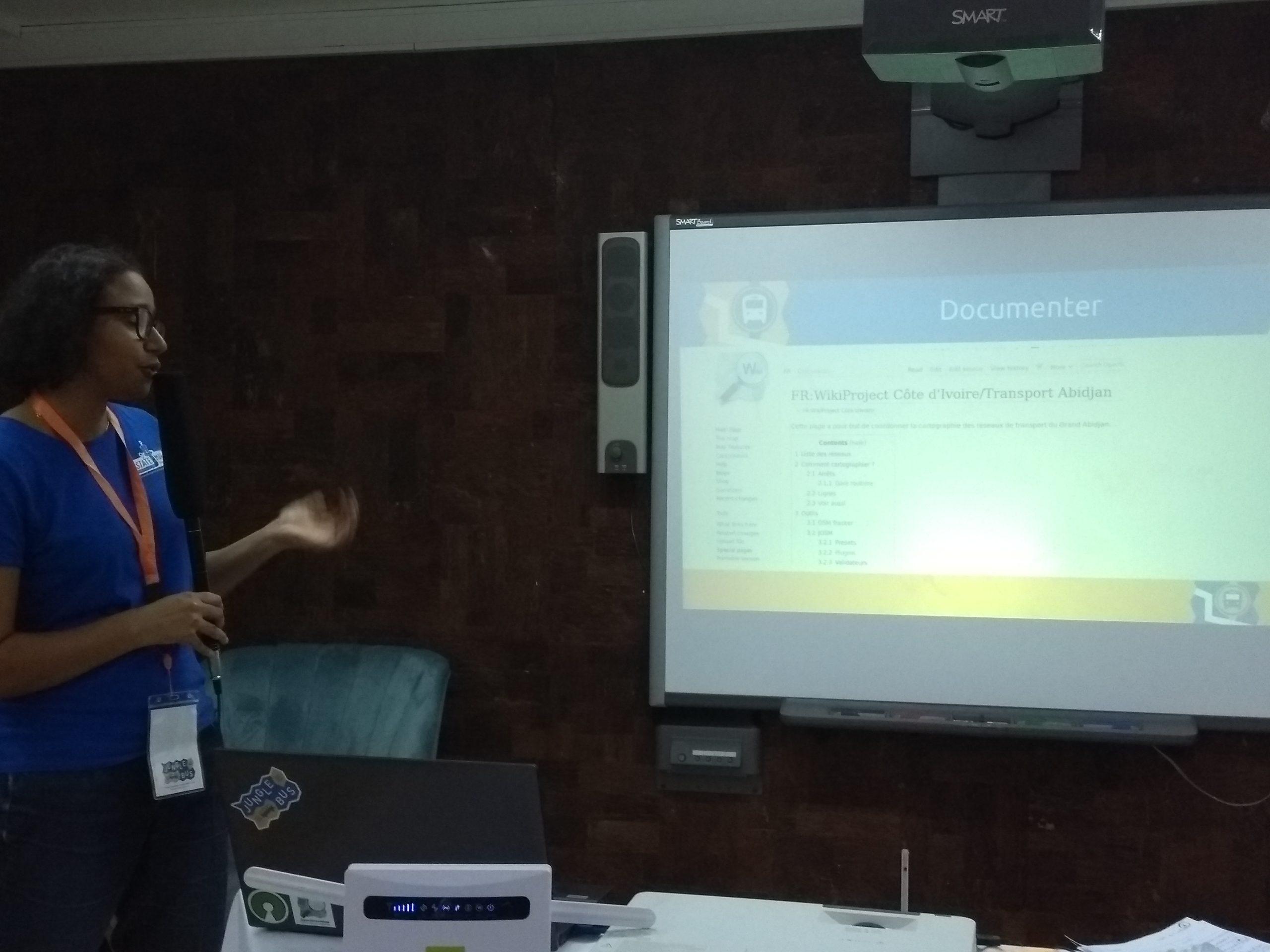
- Feedback on AFD’s implementation, as part of the dt4A initiative, of mobility projects with an o4t component carried out in Accra (Ghana) and Abidjan (Ivory Coast) in partnership with the relevant ministries, the Jungle Bus association in collaboration with mobility operators and in coordination with members of the OSM project in these two countries.
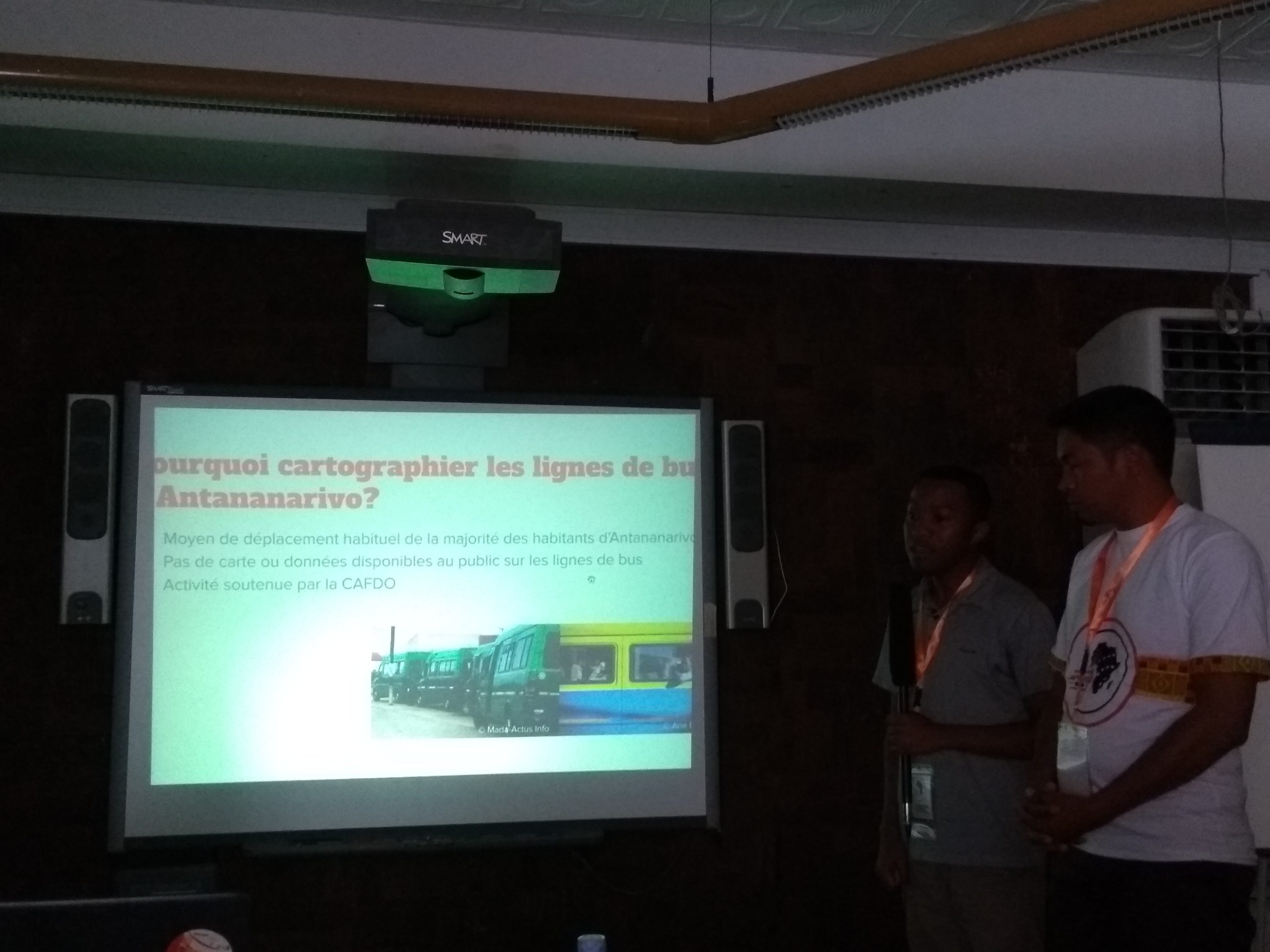
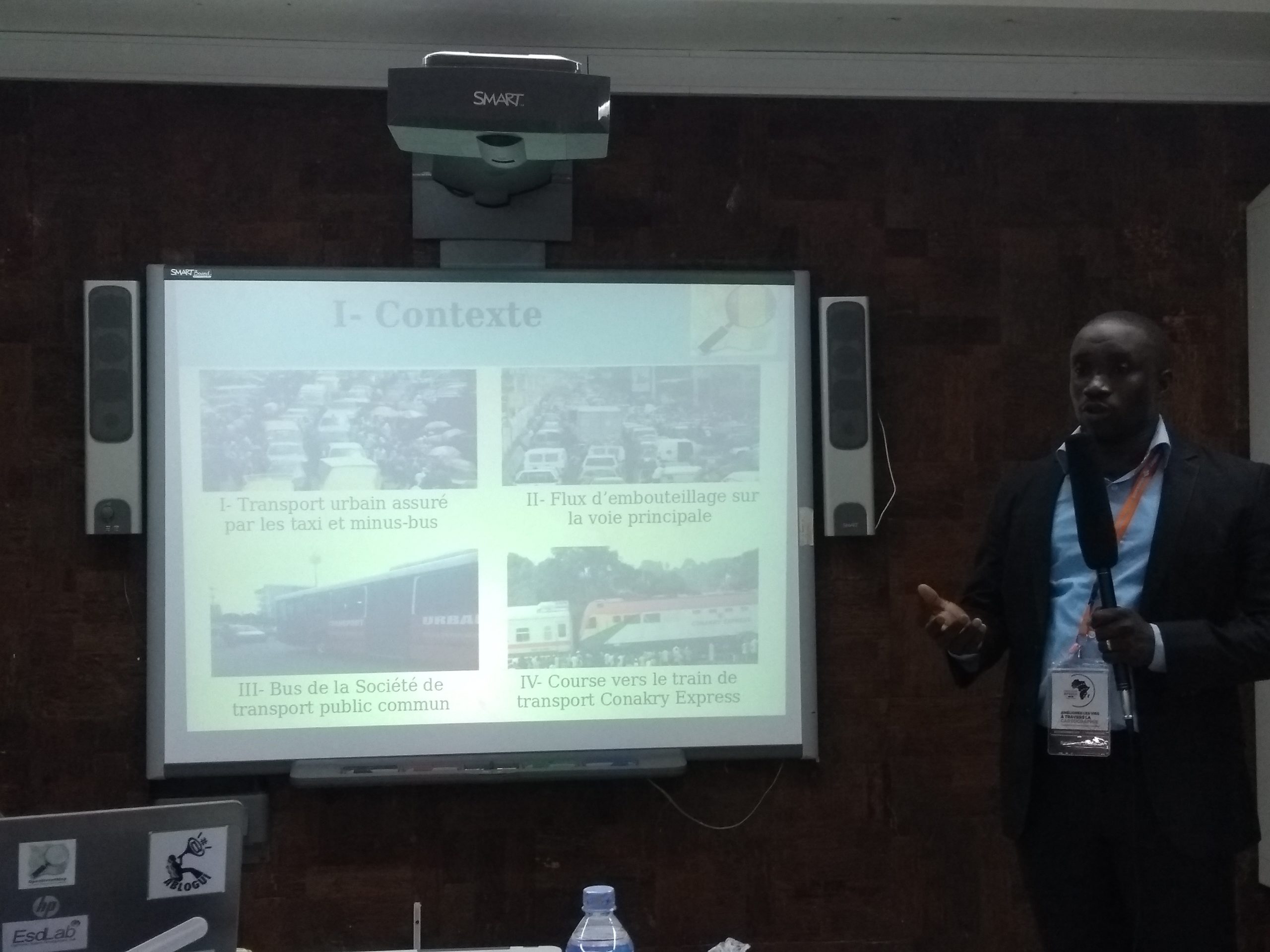
- Feedback on other o4t projects carried out as part of a World Bank-funded project in Bamako (Mali) or through community-based, primarily volunteer-driven approaches in Antananarivo (Madagascar), Ouagadougou (Burkina Faso), Dakar (Senegal), and Conakry (Guinea), contributed by OSM project members from these countries and, where applicable, their partners.
- A presentation and feedback session focused on the OSM project’s governance framework (policies, the OpenStreetMap trademark, and the service delivery practices of the OSM Foundation and its local chapters) for implementing o4t activities or other topics.
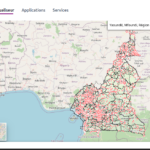
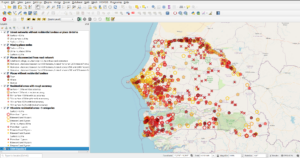
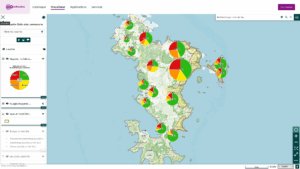
- A presentation and feedback session focused on the suite of applications for creating, managing, and visualizing o4t data that can be leveraged for these initiatives and has been used successfully in Africa since 2017.
This o4t event enabled the general public, mobility practitioners, and OSM project members in attendance to develop a shared understanding of the available resources and the conditions necessary for the successful implementation of o4t activities using a community-of-practice approach.
This understanding was echoed by a growing awareness of collective strength: the power of the collective that is currently being built and affirmed through the “OpenStreetMap4Transport” community of practice, linked to the “DigitalTransport4Africa” initiative. This initiative emerges from SotM Africa 2019 strengthened for the implementation of future activities, thanks to knowledge that has been acquired, renewed, or deepened.
In this regard, in Francophone Africa, SotM Africa 2019 will mark a milestone and should be followed by increased and deeper engagement from all stakeholders in the field of transportation and mobility, as well as from the “DigitalTransport4Africa”, “OpenStreetMap4Transport”, and OpenStreetMap communities of practice.
The text has been translated from French by DeepL.com (free version).