Outreach and Training Workshops on OpenStreetMap and Open Geomatics in Antananarivo
April 2019
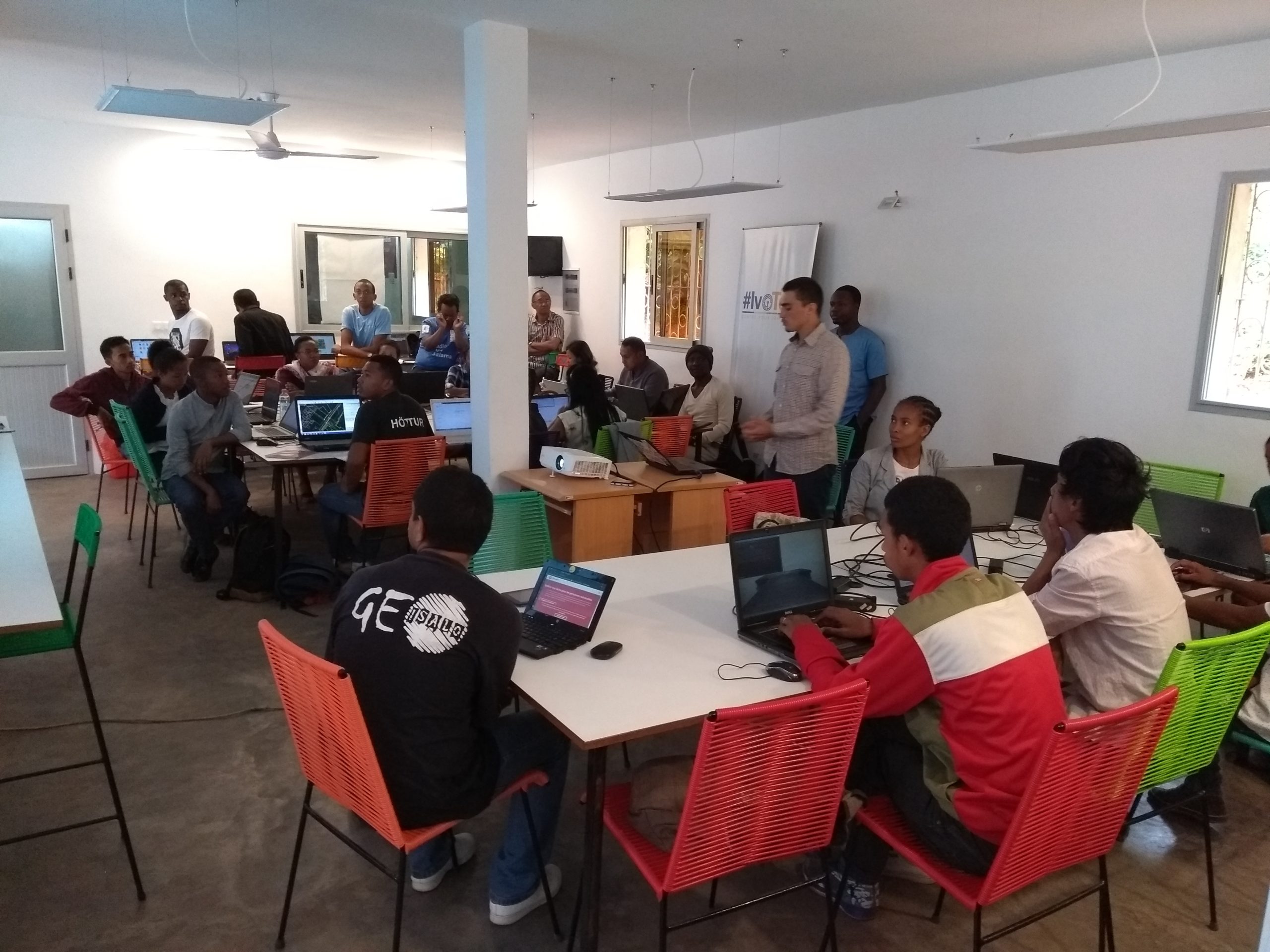
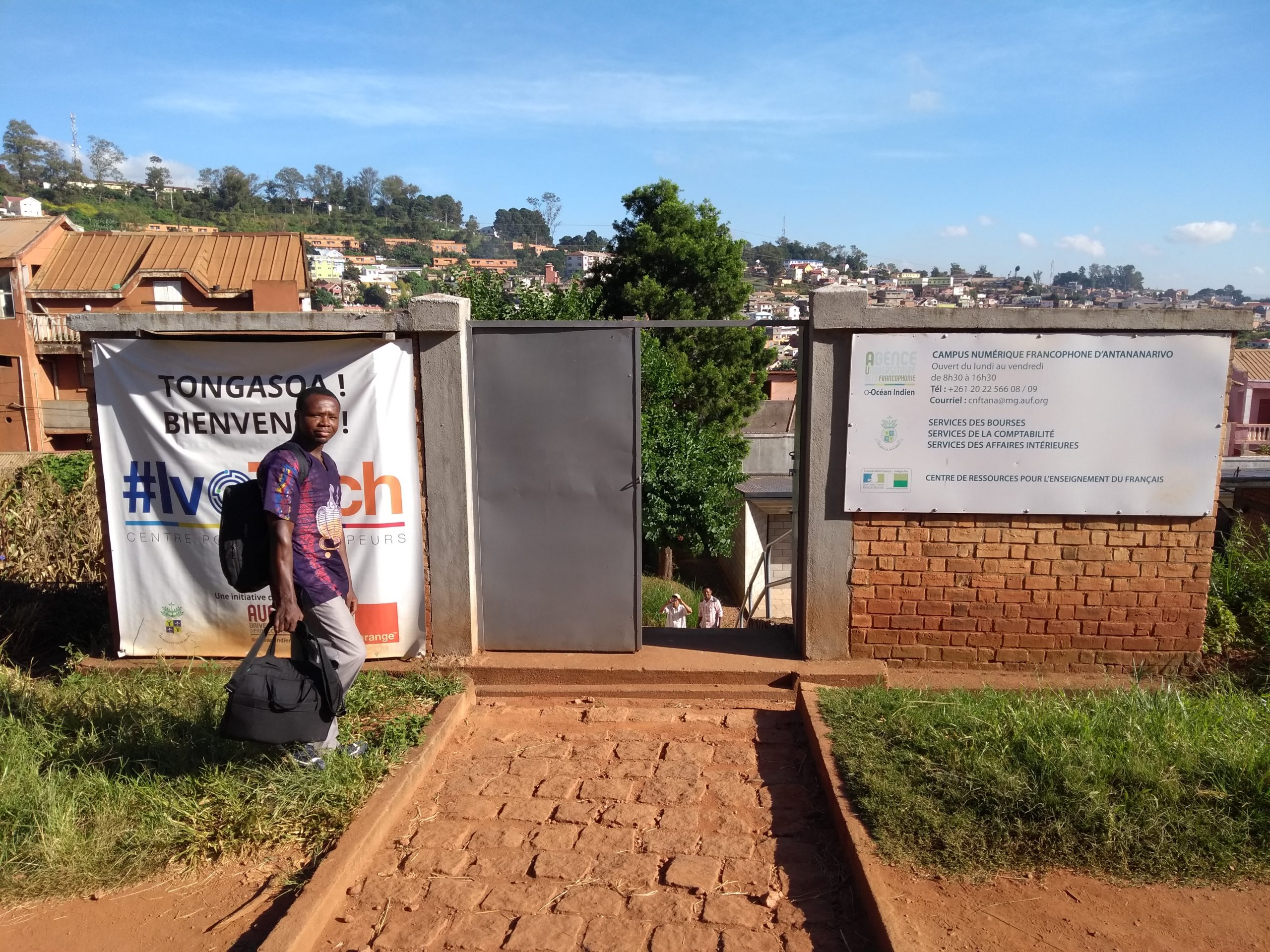
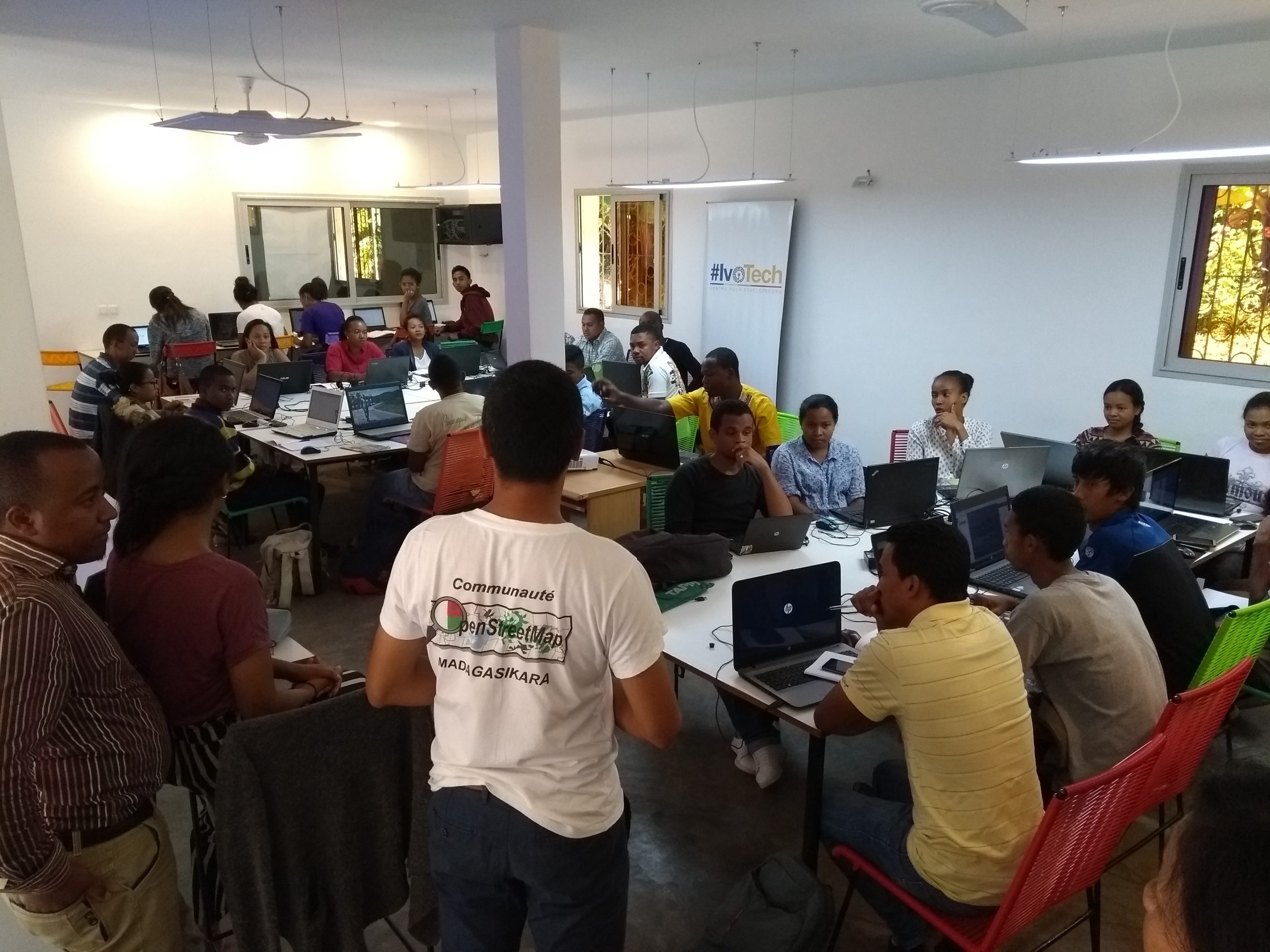

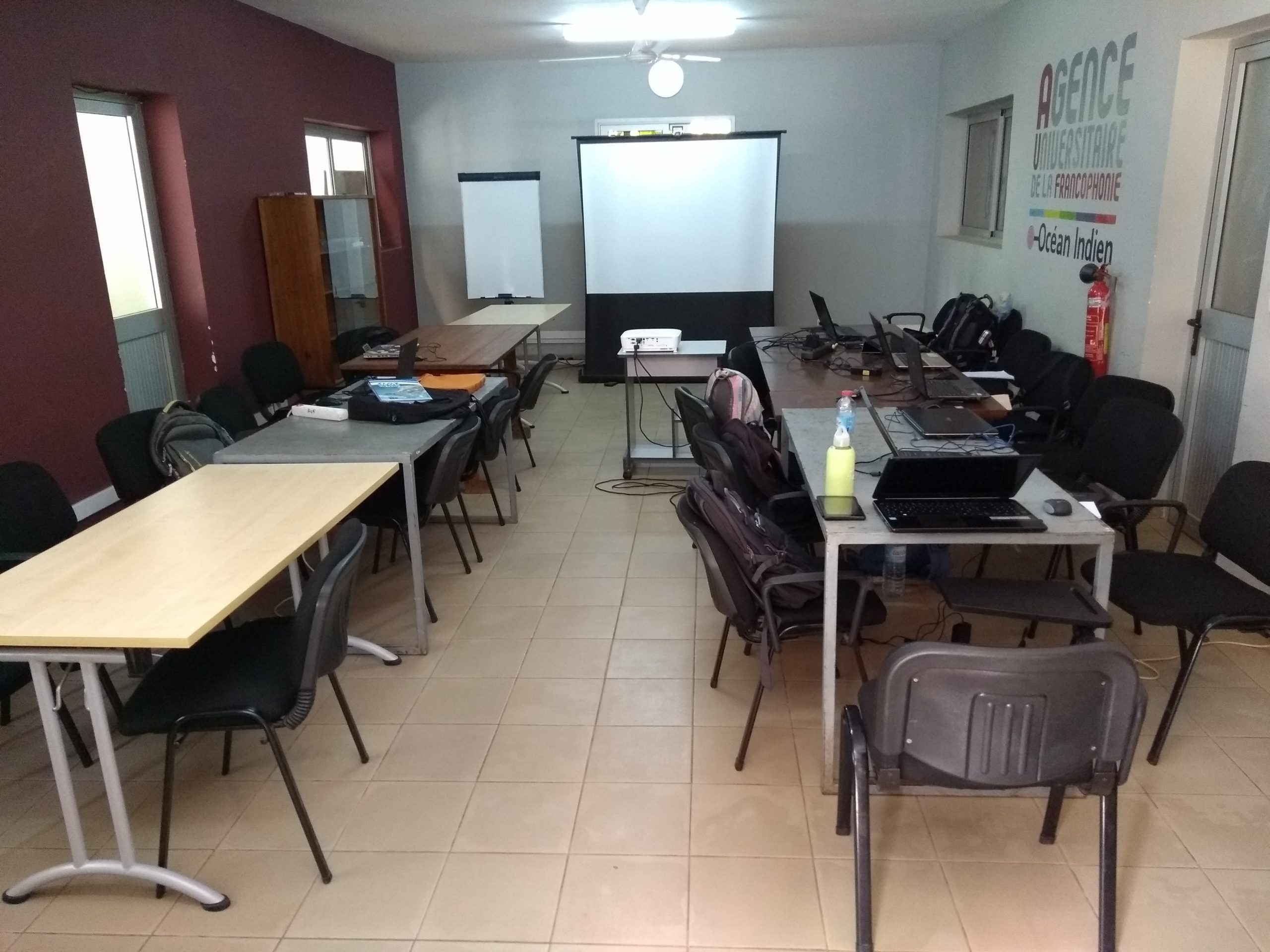


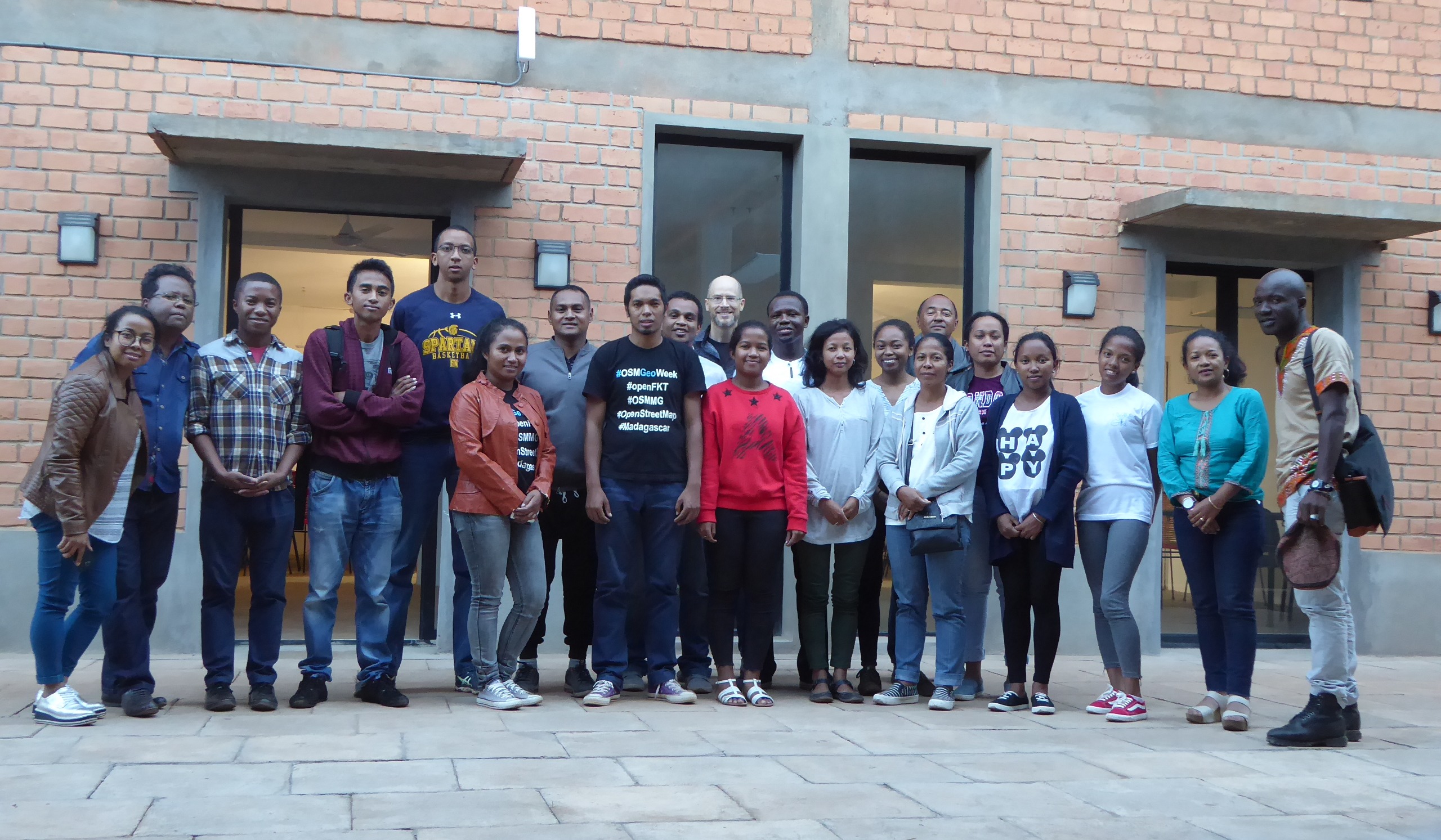

Madagascar was included in the CarteInnov project starting in 2017, and capacity-building workshops on OSM and open-source geomatics were organized with financial support from the DFEN by experts from Les Libres Géographes and the OSM Magalasy community from June 18 to 30, 2018, in Antananarivo at the offices of Habaka and the Center for Scientific and Technical Information and Documentation (CIDST). These new workshops, held from April 15 to 27, 2019, aimed to consolidate and build upon the technical knowledge shared the previous year.
Two Parallel Workshops at the CNF for Different Audiences
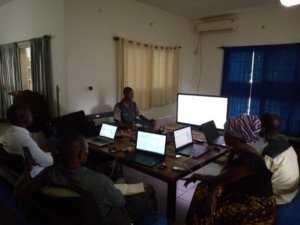
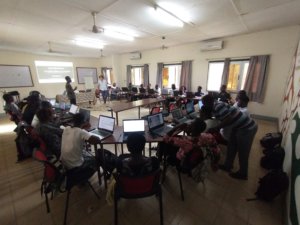
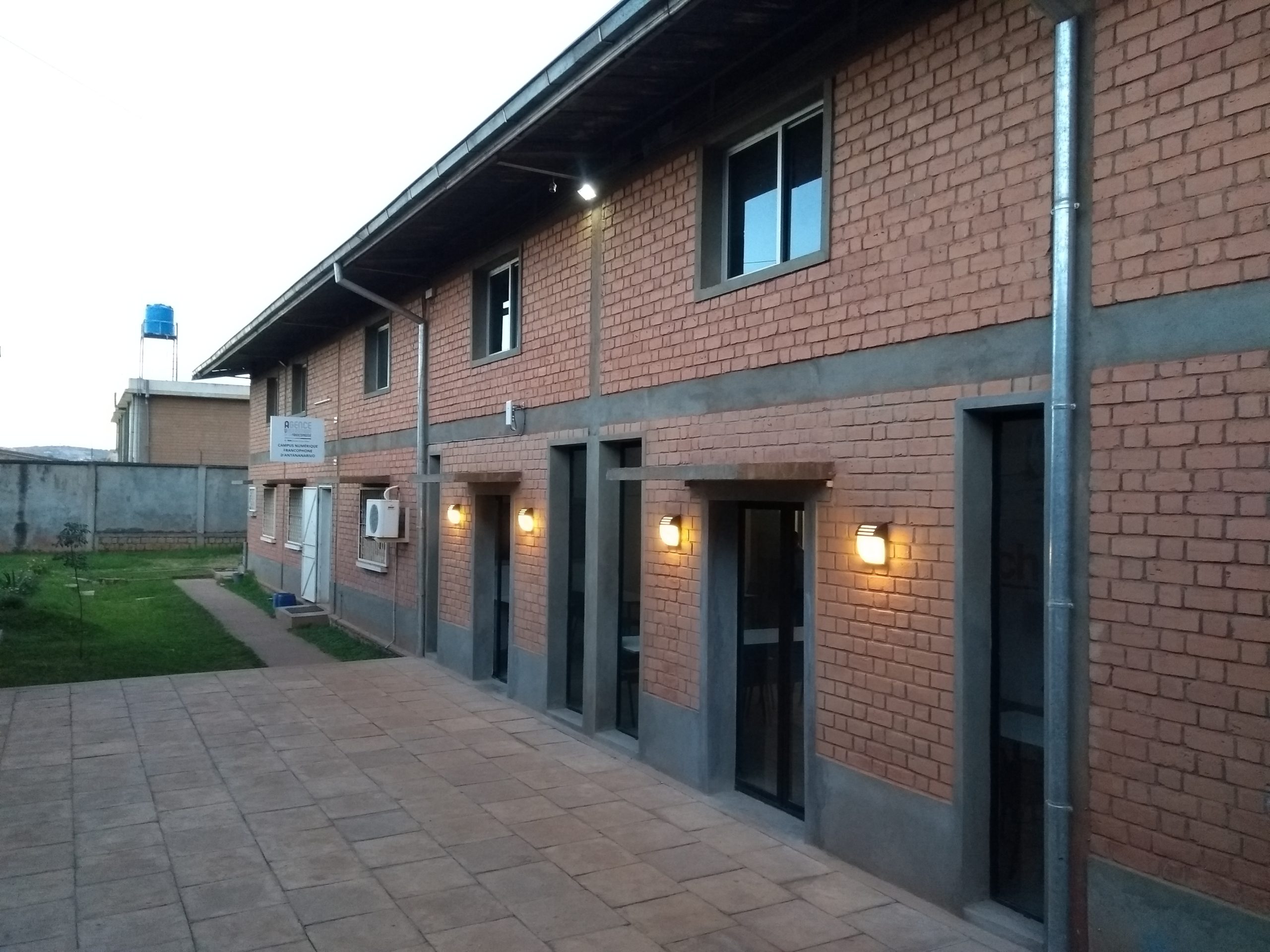
Two workshops were held simultaneously in two adjoining rooms at the CNF in Antananarivo. One was dedicated to intermediate-level participants who already had experience with OSM (notably some former participants from the workshops held the previous year in Antananarivo), and the other to novice participants who were new to open-source digital mapping (OSM).
These two groups of beneficiaries are also actively involved in Madagascar in the fields of geomatics, open-source software, and ICT within government agencies (Emergency Prevention and Management Unit (CPGU), Antananarivo Plain Flood Protection Authority (APIPA), Madagascar Road Authority (ARM), National Center for Environmental Research (CNRE), Electricity Regulatory Office, Ministry of Public Health / Health and Environment Service), academia (students of geography, environmental studies, or agronomy), civil society (the Ifaharana and OSM Madagascar associations, the Habaka co-working space), the private sector, interest groups, and individuals working in development aid and humanitarian action.
The first week was devoted to learning (beginner group) or reviewing and reinforcing (intermediate group) OpenStreetMap mapping techniques so that both groups of learners could master the various OSM mapping techniques to enrich its open geographic database.
Creating Open Data in Urban and Rural Areas
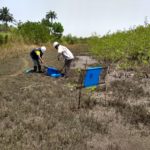
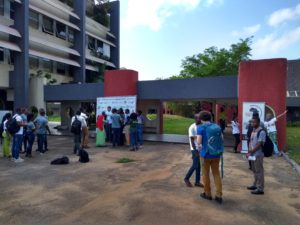
This learning process took place both in the field – by mapping points of interest near the university using the OSMTracker and OsmAnd mobile apps – and remotely, using high-resolution satellite imagery in a collaborative and coordinated manner across two different areas of Madagascar.
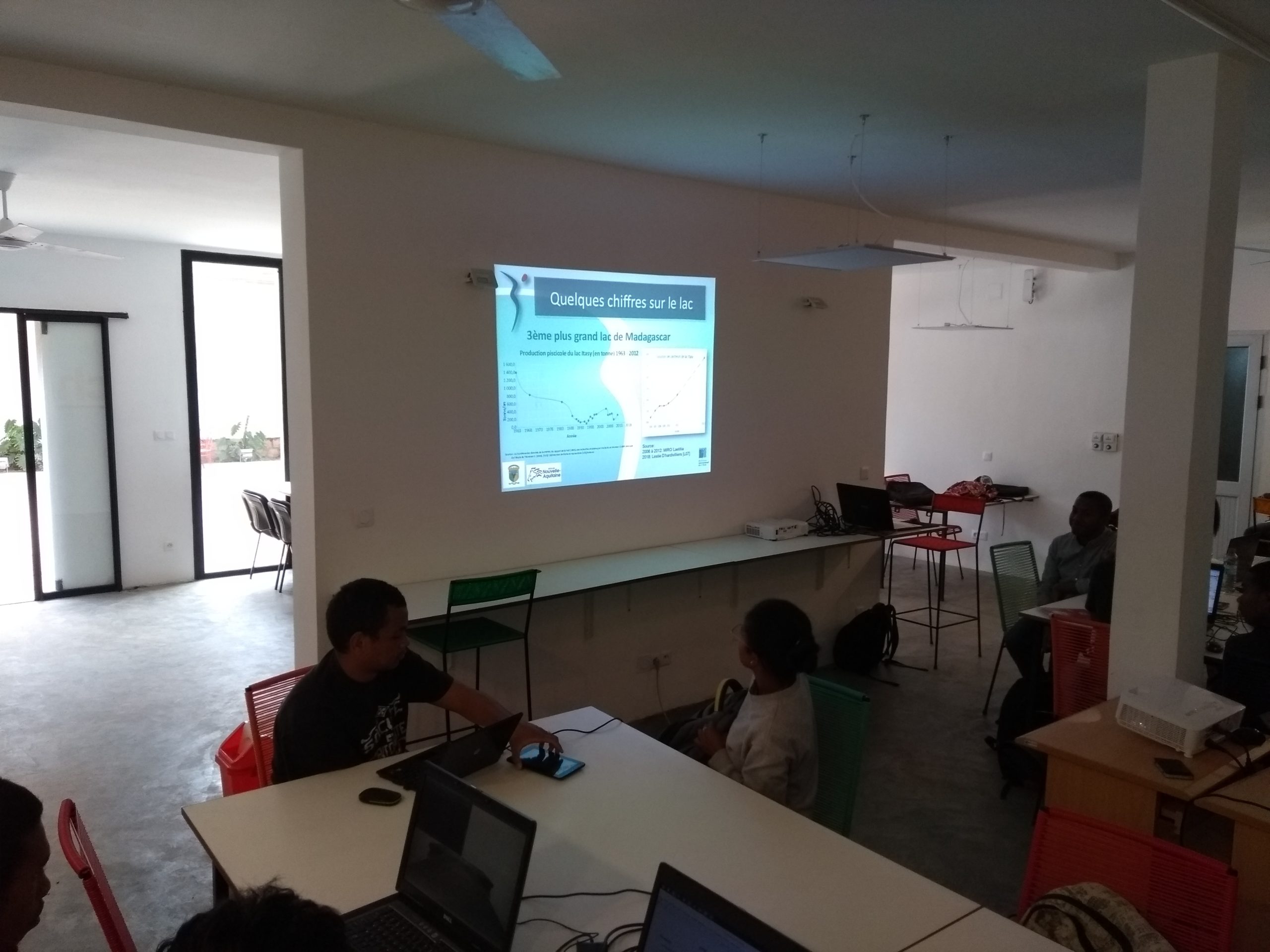
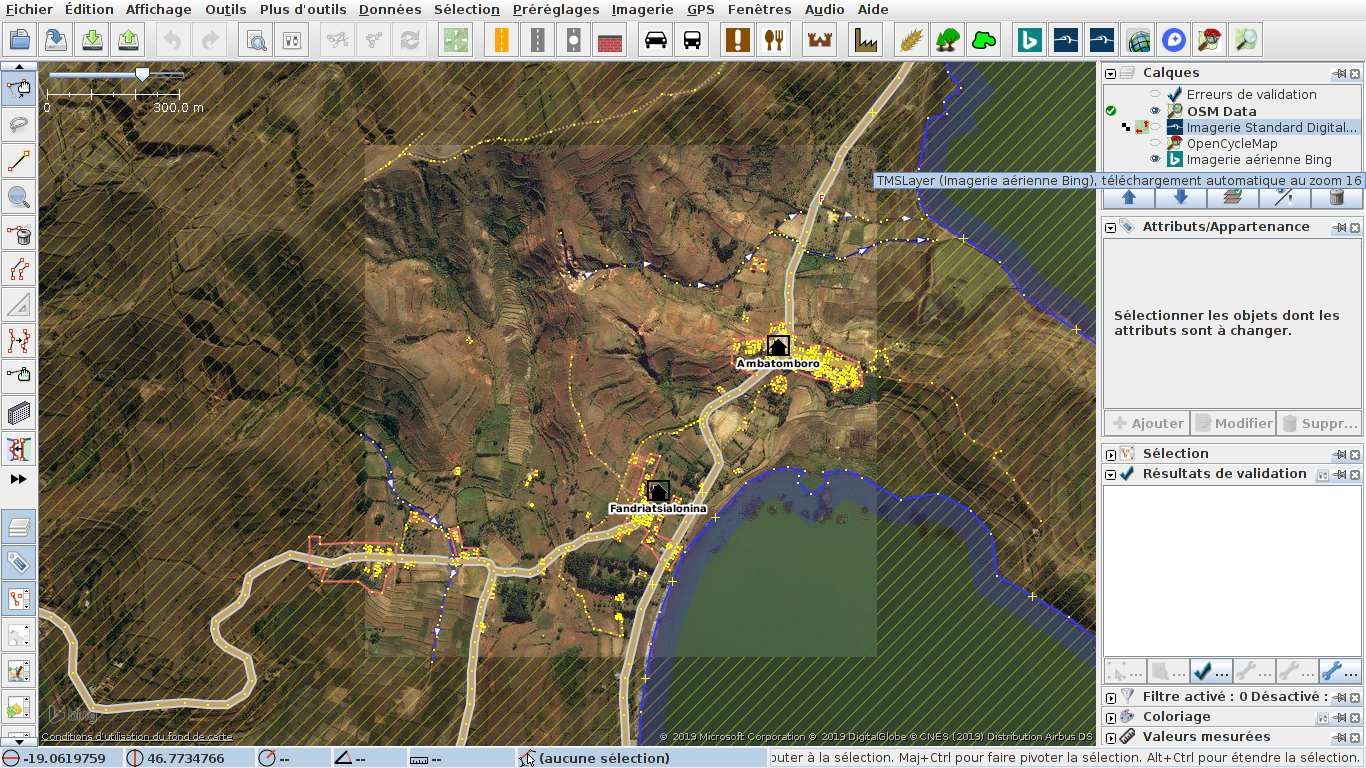
The first project focused on a 250 km² area around Lake Itasy southwest of Antananarivo, at the request of the Decentralized Cooperation program of the Nouvelle-Aquitaine – Itasy region, which is working to address overfishing in the lake and the prevalence of schistosomiasis. This collaborative project was the focus of a mapathon held over a day and a half, followed by follow-up sessions and quality control. This mapathon followed the OpenStreetMap Foundation’s new rules regarding organized edits, through the creation of a dedicated page on the OSM wiki presenting the mapathon, its participants, and the mapping and quality control tools used. Following this collaborative effort, the Osmose error detection service no longer detects any high-level errors:

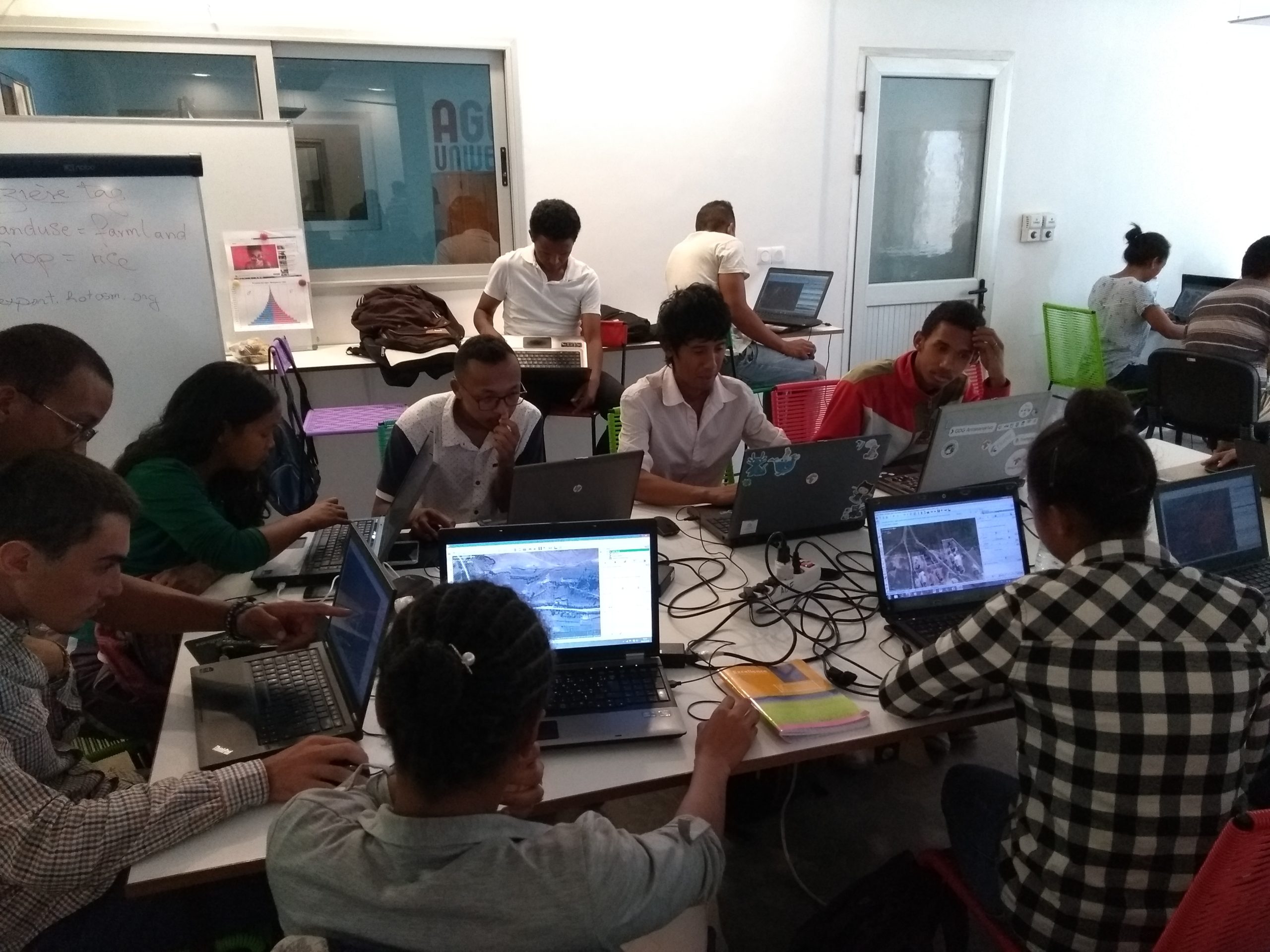
The second project focused on an urban outskirt of Antananarivo, to which the so-called “maptime” was dedicated at the start of each day during the second week of training. These two projects, with their different objectives and contexts (urban/rural), allowed participants to learn various techniques for mapping using satellite imagery. The workflow associated with this real-world case demonstrated to all participants the full value of contributing to a free digital commons such as OpenStreetMap.
A second week dedicated to the reuse of Open Data
During the second week, both groups of participants continued their training, which focused on reusing OSM data in combination with open or restricted-access geographic data using the open-source geomatics tools QGIS, uMap, and geOrchestra. The sessions primarily drew on the chapters of the Guide to Open-Source Geomatics and Open Data dedicated to these tools, produced in collaboration with the OIF/DFEN.
The first day was devoted first to a review of the previous Friday’s mapathon to analyze the results and correct certain errors detected during the validation phase, followed by an exploration of services for extracting OSM data in GIS format (GeoFabrik Downloads, HOT Exports) at different scales (the entire country and a regional focus, in this case centered on the area around Lake Itasy), as well as an introduction to QGIS, highlighting the differences in the user interface between version 2 and the new version 3.
The second and third days were devoted to setting up a GIS using local data from the regional focus on Lake Itasy, utilizing the file system recommended in the aforementioned guide, as well as the layer styles designed by Les Libres Géographes for QGIS, in order to establish a robust GIS and create thematic and printable maps. By the end of the third day, participants from both groups had created their first thematic map in accordance with the standards of graphic semiotics and cartographic layout. They also learned to use the OSMEditorRemoteControl and QuickOSM plugins, which facilitate the OSM data workflow within QGIS by allowing users, respectively, to easily return to the JOSM editing software from within QGIS if data gaps or errors are detected while performing an analysis or creating a map, and to obtain, in just one minute from within QGIS, an update of data from the cloud-hosted OSM database.
On the penultimate day, the morning session allowed participants to delve deeper into QGIS: the beginner group learned how to create a non-OSM vector thematic layer by following the steps of designing a data model, then developing the attribute table, and configuring the attribute entry form; the intermediate group was introduced to spatial analysis through buffer zone analyses, location-based selection, Voronoi polygons, and the principles of the InaSAFE extension, drawing on the relevant chapters of the Guide to Open Geomatics and Open Data. In the afternoon, participants from both groups explored the open-source dynamic mapping service uMap and the Overpass query and extraction service for OSM, which enabled them to create dynamic uMap maps hosting extracted OSM datasets or displaying the results of Overpass queries in a custom style.
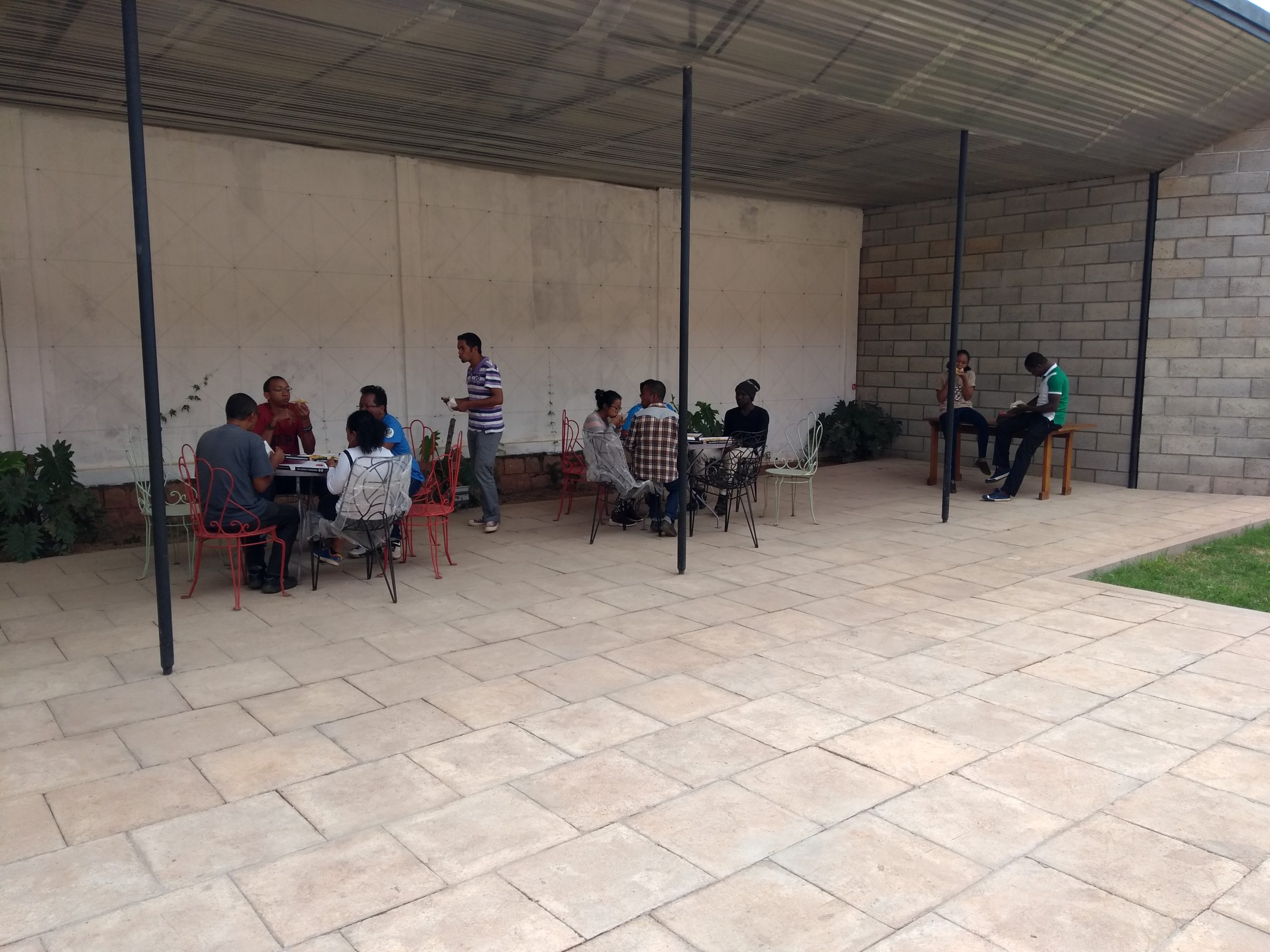
The uMap training concluded on the morning of the final day, Saturday, April 27, when both groups gathered in the main training room. The final “maptime” session also provided an opportunity for a final review of each participant’s contributions to the two collaborative mapping projects used during the workshops. The afternoon was devoted to geOrchestra training, beginning with a demonstration to explain the concept of Spatial Data Infrastructure, the geOrchestra modules, and the benefits of being able to share reference datasets equipped with detailed metadata under interoperable standards. Next, the training team organized a hands-on workshop during which the participants integrated the OSM data – previously retrieved via Overpass – into Pydio, configured it in GeoServer, and utilized it in the MapFishApp viewer and in QGIS (as a WMS and a downloaded shapefile layer).
Internal training workshops for the team
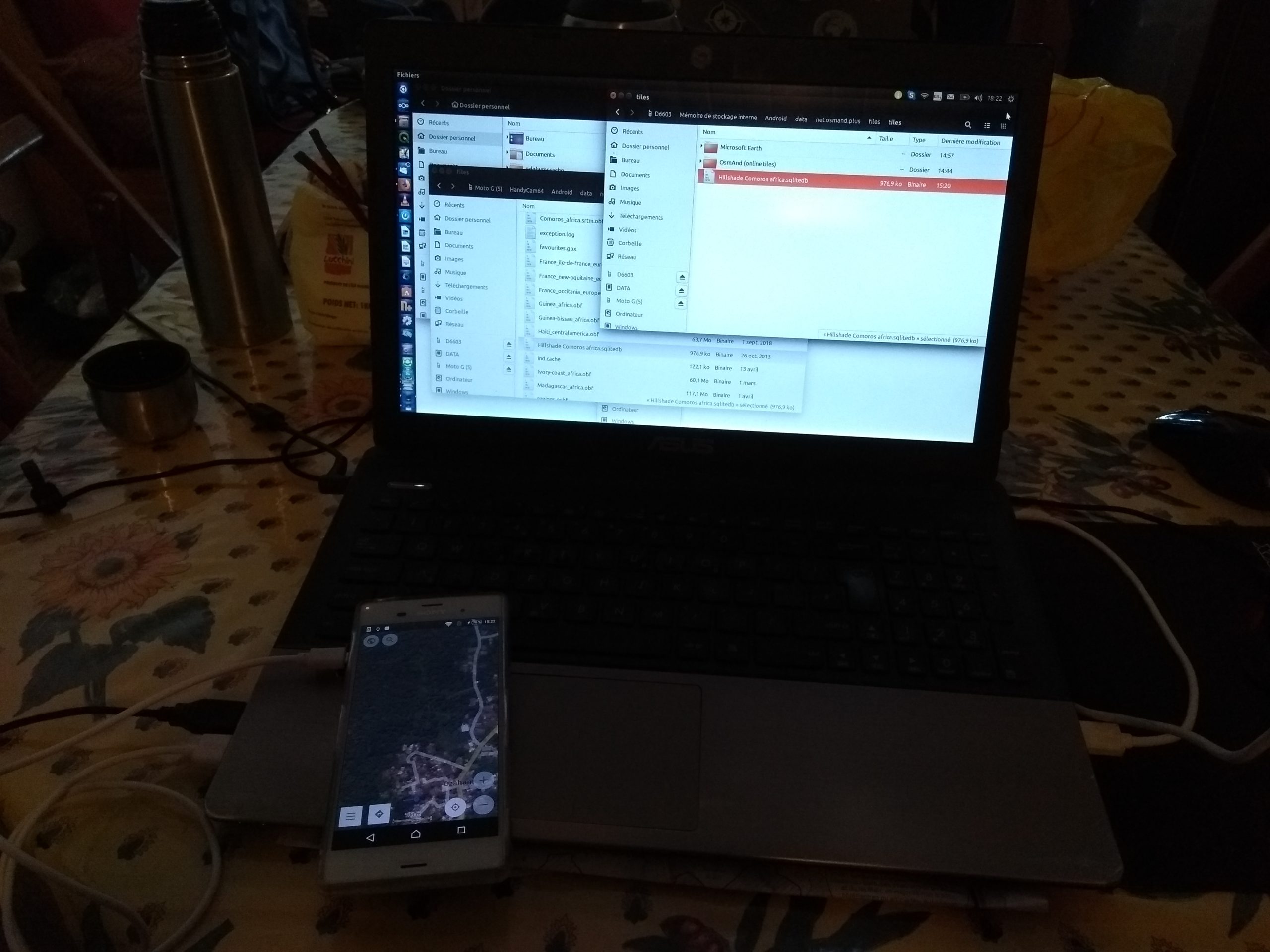
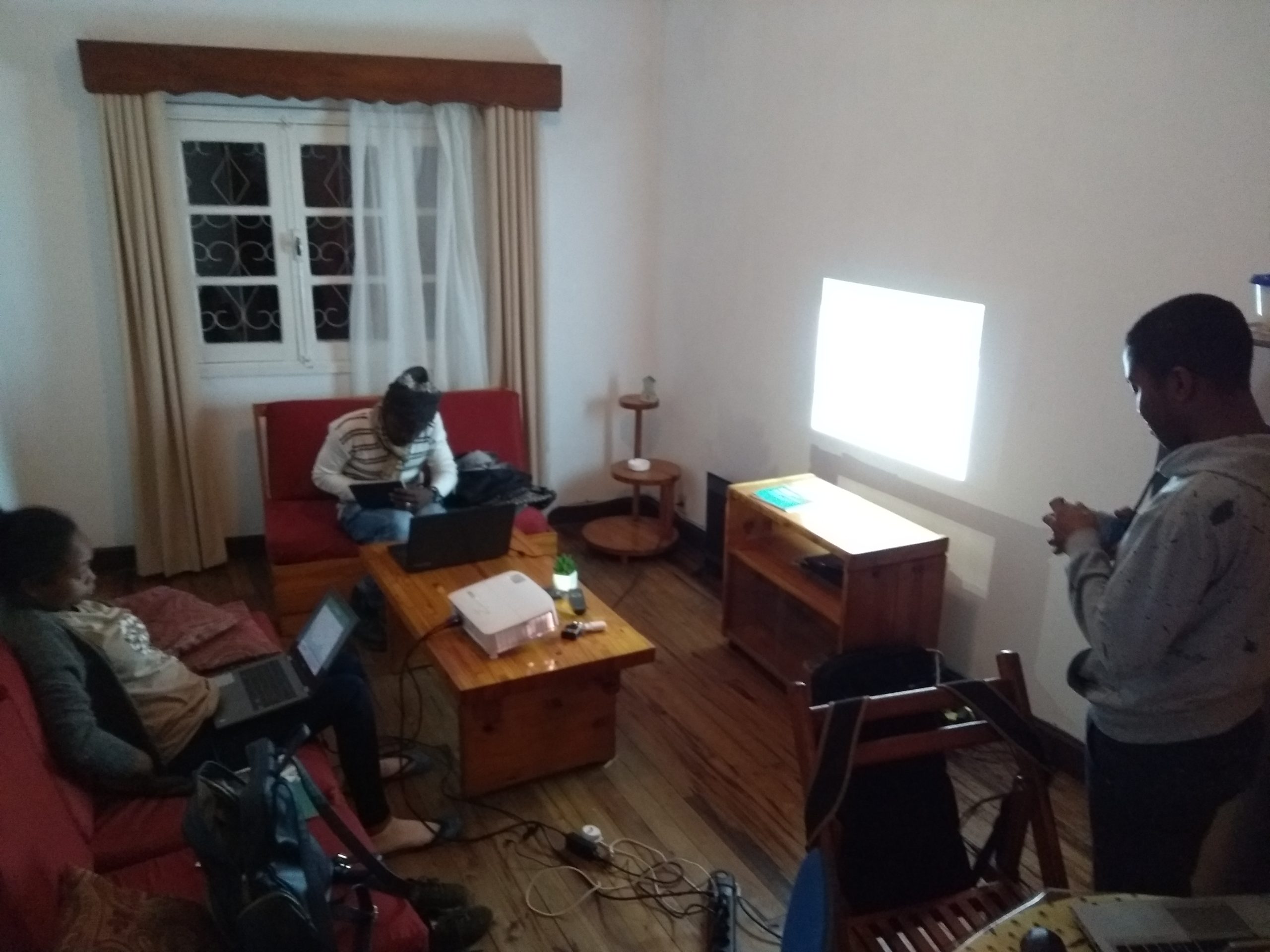
At the training team’s lodging, late afternoons, some evenings, and days off were used to organize several internal training sessions covering the presentation of advanced layer styles and page layouts in QGIS, the implementation of a data collection project using the OpenMapkit Android app, procedures and tips for installing various Linux distributions and user interfaces, and advanced features of LibreOffice Calc for managing database consolidation in relation to a glossary.
The text has been translated from French by DeepL.com (free version).
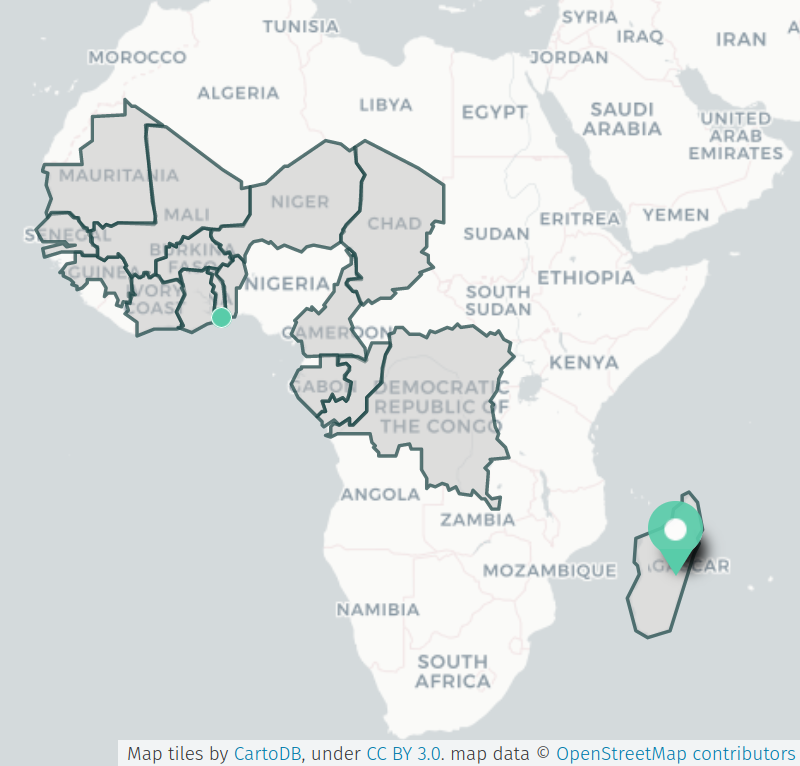
Location